
Pune: Establishing a standardised national protocol for the early detection of GI Cancer across India emerged as the key focus at the 12th International Conference & Workshop on Early GI Cancer Diagnosis, Endoscopic Resections and Endoluminal Surgery, one of the country’s premier conferences on gastrointestinal endoscopy, organised recently in Pune.
The conference brought together more than 550 delegates from India and overseas, including leading experts from Japan, Australia, the USA and across India, to discuss the latest advancements in gastrointestinal endoscopy, GI Cancer detection and minimally invasive treatment.
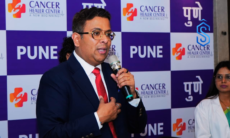
Speaking on the significance of the conference, Dr Amol Bapaye, Course Director for the conference and Consultant Gastroenterologist and GI Endoscopist at Deenanath Mangeshkar Hospital & Research Centre, said India must move beyond merely adopting advanced imaging technologies and focus on developing standardised protocols that help doctors detect GI Cancer at its earliest stage.
“The greatest opportunity before us is to create a uniform protocol for the early diagnosis of GI cancers in India.
Technologies such as magnification endoscopy, Narrow Band Imaging (NBI) and Texture and Colour Enhancement Imaging (TXI) allow us to accurately characterise early tumours, differentiate superficial lesions from deeper cancers, and decide whether a patient can be treated endoscopically or requires surgery. However, technology alone is not enough.
The real challenge is standardising how these technologies are used so that early cancers are not missed,” said Dr. Amol Bapaye.
Highlighting global best practices in GI Cancer detection, Dr Bapaye noted that countries such as Japan, South Korea and China have well-established endoscopic screening and characterisation protocols, while widespread implementation in India is still evolving.
He said standardised imaging protocols would make early lesions easier to identify, enabling more patients to undergo curative endoscopic treatment instead of major surgery.
Dr Bapaye also stressed that public awareness and timely screening are equally critical in improving GI Cancer outcomes.
“Government-led screening programmes alone cannot achieve this. We need to reach out directly to people through awareness campaigns, community initiatives and social media so that individuals recognise the importance of early screening.
Early diagnosis saves lives, and every effort should be directed towards detecting GI cancers before symptoms appear,” he added.
The conference featured participation from several distinguished international experts, including Dr Amit Maydeo, Padma Shri awardee and Chairman, Institute of Digestive Sciences, Reliance Healthcare, Mumbai; Dr Noriya Uedo, Osaka International Cancer Institute, Japan, and Vice Chairman of the Asian Novel Bio-Imaging & Intervention Group (ANBIIG);
Prof Rajvinder Singh, Professor of Medicine at the University of Adelaide, Director of Gastroenterology and Head of Endoscopy at Lyell McEwin Hospital, Australia, and Chairman of ANBIIG; Prof Shyam Thakkar, Chief of Endoscopy and Advanced Interventional Endoscopist at West Virginia University, USA; and Prof Kulvinder Dua, Chairman of the International Committee, World Endoscopy Organization (WEO).
Their expertise contributed to scientific discussions on advancing GI endoscopy, strengthening GI Cancer diagnosis, and improving early cancer detection through innovative imaging technologies and endoscopic procedures.
The conference concluded with a renewed commitment towards education, innovation and collaboration in GI endoscopy to improve patient care and strengthen GI Cancer diagnosis across the country.
“This conference was more than an academic event—it was a celebration of knowledge, collaboration and our shared commitment to advancing GI endoscopy and improving patient care.
Together, we continue to build a future where early diagnosis saves lives, innovation transforms care and education inspires excellence,” said Dr Bapaye.
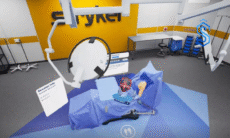
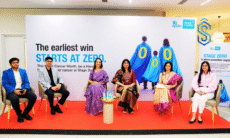
Organised with the objective of advancing GI endoscopy and improving patient care, the conference featured live endoscopy demonstrations by internationally renowned faculty, scientific sessions on cutting-edge imaging technologies, interactive hands-on workshops, and the first-of-its-kind GI Cancer Awareness Monsoon Run, which attracted more than 1,000 participants.
The initiative brought together healthcare professionals and members of the community to promote awareness and encourage early screening for GI Cancer.