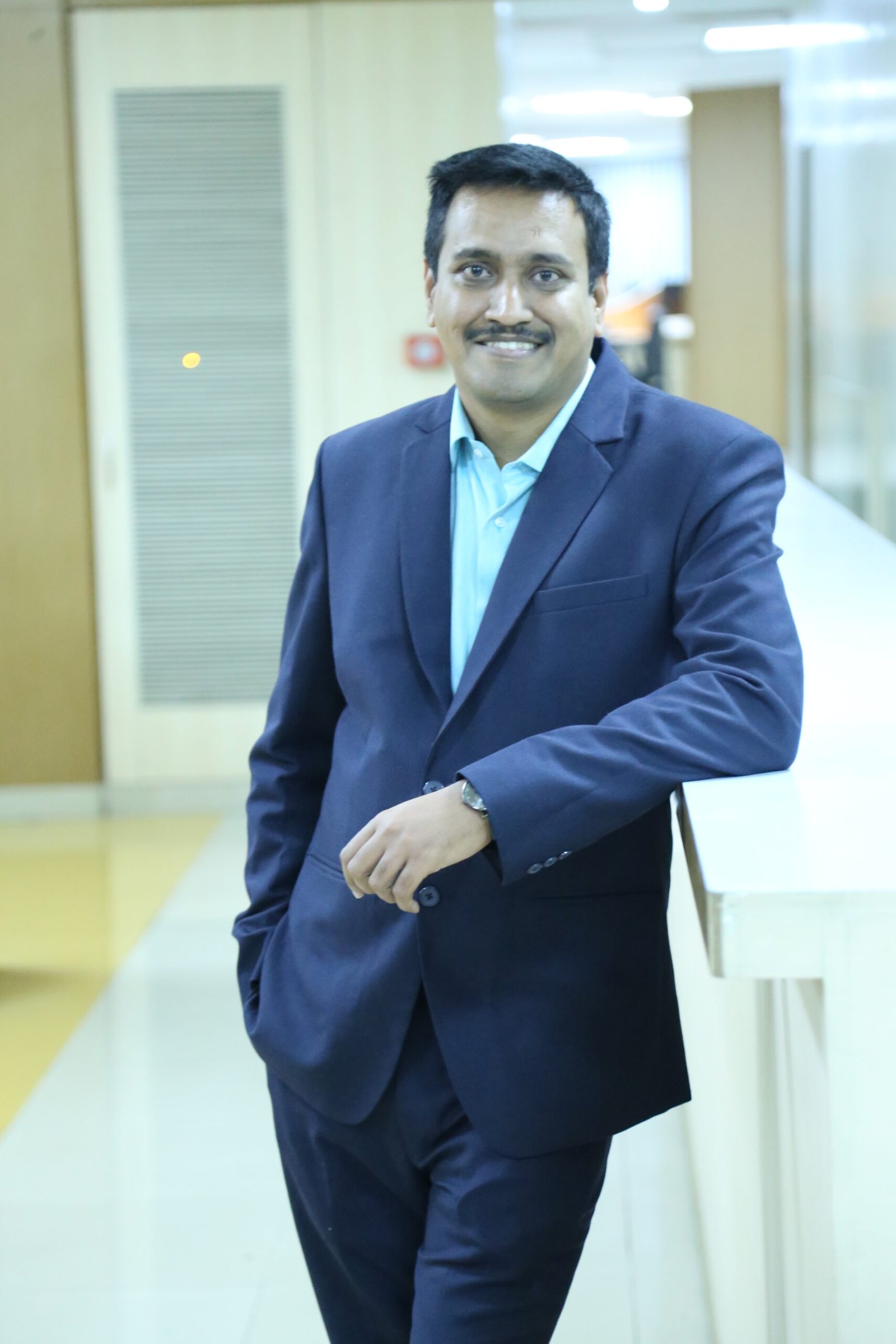


Pune: Scientific training and personalised exercise programmes are enabling athletes to achieve elite-level performances well beyond the age of 50, as demonstrated by Pune cyclist Suraj Vinay Kudtarkar (56), who became the only Indian to successfully complete the 100-mile category of the prestigious Unbound Gravel race in the United States this year.
According to sports medicine experts, the achievement underscores the growing importance of evidence-based training methods, structured exercise programmes, and performance monitoring in endurance sports.
The role of the BILD Exercise Clinic at Deenanath Mangeshkar Hospital (DMH), Pune, was central to Kudtarkar’s preparation for one of the world’s most demanding cycling events.
“Athletes often focus only on cycling longer distances. However, performance in endurance events depends on several factors including strength, mobility, recovery, nutrition, and physiological adaptation.
For athletes above 50 years of age, personalised exercise prescription becomes even more important,” said Dr Pramod Patil, Head of the BILD Exercise Clinic at Deenanath Mangeshkar Hospital.
Kudtarkar achieved the feat during the 20th edition of Unbound Gravel, held annually in Emporia, Kansas. Recognised globally as one of the toughest endurance cycling competitions, the event is often regarded as the unofficial world championship of gravel cycling.
Every year, thousands of cyclists from across the world participate in the race, navigating rugged gravel roads, steep climbs, mud sections, strong winds, and rapidly changing weather conditions.
Competing in the 100-mile category, Kudtarkar completed a distance of 106.2 miles (approximately 171 kilometres) in 10 hours, 39 minutes, and 53 seconds.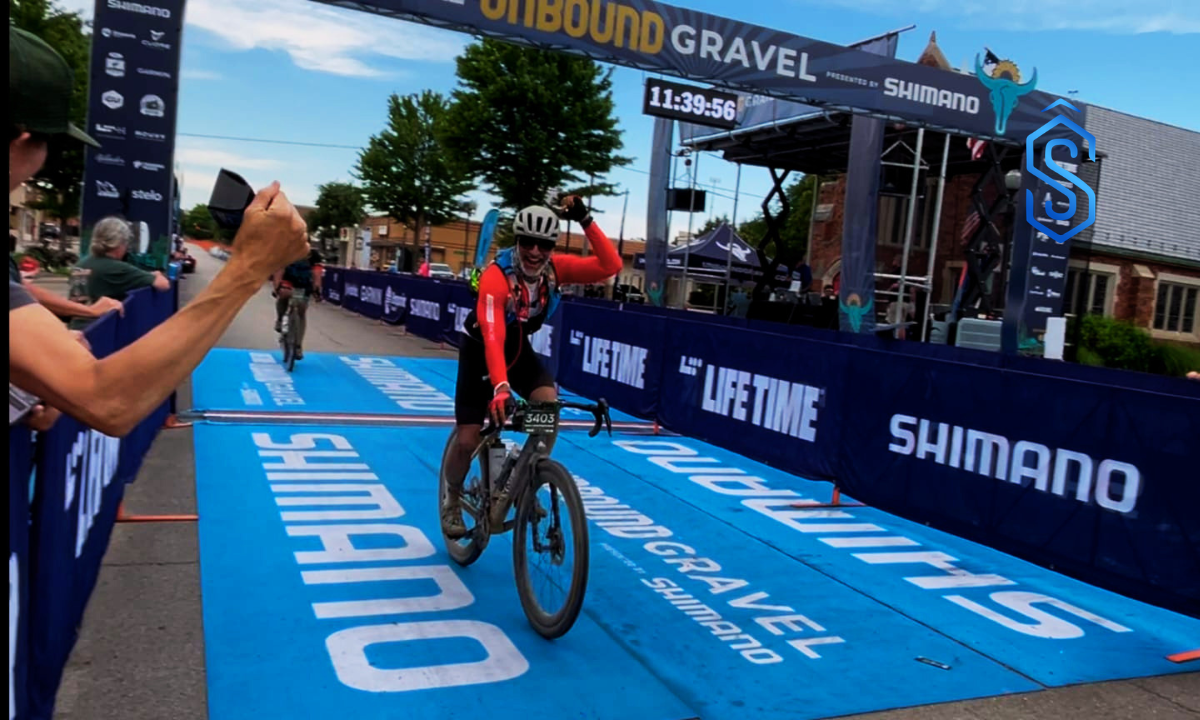
Also Read: Split Liver Transplant at Deenanath Mangeshkar Hospital Saves Two Lives from Single Donor
According to official results published by the organisers, he finished 1,205th overall among 1,585 participants, ranked 964th among male cyclists, and secured 287th position among 370 competitors in the 50–59 age category.
The accomplishment is particularly notable because Kudtarkar completed the challenge at the age of 56, highlighting how disciplined preparation and scientifically designed training programmes can help athletes compete successfully in world-class endurance events.
Preparation for the race involved several months of structured training under the guidance of experts from the BILD Exercise Clinic (Biomechanics, Integrated Lifestyle and Disease Management) at DMH.
The programme was specifically designed to address the physiological requirements of a master’s athlete participating in a high-endurance international cycling event.
The comprehensive training plan developed by the BILD Exercise Clinic focused on endurance conditioning, strength and resistance training, core stability, mobility enhancement, recovery protocols, and sports nutrition.
Special emphasis was placed on maximising performance while minimising the risks associated with injury and overtraining.
“Completing Unbound Gravel had been a personal goal for a long time. The race tests not just physical endurance but also mental resilience and planning. Every kilometre presents a different challenge. The preparation was as important as the race itself,” said Kudtarkar.
He further noted that the scientific and structured approach to training played a significant role in helping him maintain race readiness throughout the preparation phase.
Experts in sports medicine observe that the increasing popularity of endurance events among recreational athletes has created a greater need for scientifically designed training programmes that integrate exercise science, injury prevention, performance assessment, and recovery management. Facilities such as the BILD Exercise Clinic are increasingly contributing to this evolving approach to athlete development.
“Kudtarkar’s achievement demonstrates how scientific training can help individuals perform at a very high level, irrespective of age,” Dr Patil added.
The contribution of BILD Exercise Clinic highlights how personalised training and sports science are becoming increasingly important in supporting athletic excellence across age groups.