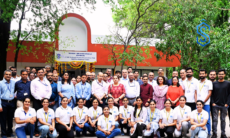

Pune: CSIR-National Chemical Laboratory (CSIR-NCL), Pune, in partnership with PKC, BAIF Development Research Foundation (BAIF) and the Maharashtra Animal Husbandry Department (AHD), conducted a three-day workshop on Livestock Pathogen Surveillance from September 7–9, 2026.
Titled “Pathogen Surveillance from Environmental and Clinical Samples: Advancing Infectious Disease Detection and Preparedness in the Livestock Sector,” the workshop focused on strengthening disease preparedness and advancing infectious disease detection in the livestock sector.
The Livestock Pathogen Surveillance workshop was designed to train veterinary and disease investigation professionals in molecular diagnostics and pathogen surveillance.
Participants from the Department of Animal Husbandry and Dairying (DAHD), Government of Maharashtra and BAIF were introduced to methods including real-time PCR and next-generation sequencing using Oxford Nanopore Technology.
These methods were demonstrated for the detection and genetic characterization of important livestock pathogens, including Lumpy Skin Disease Virus (LSDV), avian influenza viruses, Foot-and-Mouth Disease Virus (FMDV), mastitis-associated pathogens and Theileria spp.
As part of the Livestock Pathogen Surveillance initiative, the second day of the workshop featured presentations and discussions with invited dignitaries and experts.
These included Dr. Shitalkumar Mukane, Additional Commissioner, DAHD–Maharashtra; Dr. Sheesher Kumar, Managing Director, Huwel Life Sciences, Hyderabad; Prof. L. S. Sashidhara, Director, National Center for Biological Sciences (NCBS), Bengaluru; Dr. Bharat Kakade, President, BAIF; and Dr. Vaishali Jadhav, Additional Health Chief, Pune Metropolitan Surveillance Unit (PMSU).
Also Read: Maharashtra to Unveil Chemical Sector Policy by October-End, Plans 5,000-Acre Chemical Parks
Representatives from BAIF, DAHD and PMSU also participated in the sessions.
The formal session brought together representatives from government, research, industry and field-level disease surveillance to share experiences and perspectives on Livestock Pathogen Surveillance.
The discussions highlighted the need to connect field surveillance, laboratory diagnosis, pathogen characterization and timely action to strengthen disease surveillance systems.
A key message emerging from the sessions was the need to move beyond working in silos and build stronger collaborations across sectors.
The discussions also stressed the importance of translating advances in research and diagnostics into practical, integrated and sustainable solutions for field-level implementation.
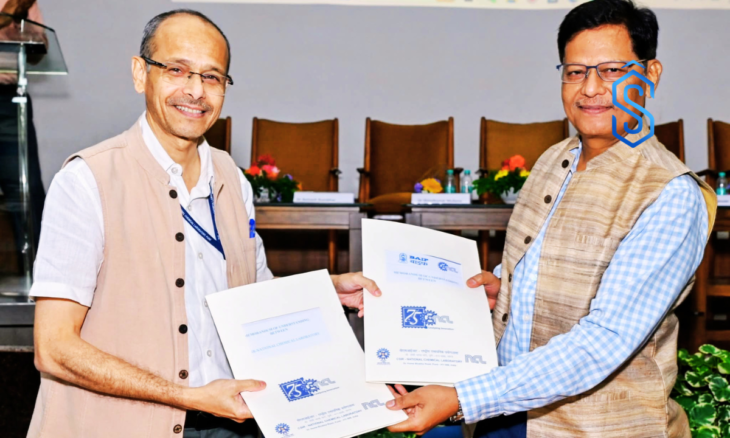
The Livestock Pathogen Surveillance workshop culminated in the signing of two important Memoranda of Understanding (MoUs) aimed at taking the collaboration forward.
CSIR-NCL and BAIF signed an MoU to further strengthen their collaboration in livestock disease surveillance, diagnostics, research and capacity building.
Separately, CSIR-NCL and Huwel Life Sciences signed an MoU to support the scale-up of diagnostic kit manufacturing, with the aim of making the kits widely available for field deployment and surveillance.
The workshop and the broader Livestock Pathogen Surveillance initiative are a consequence of projects funded by the Gates Foundation and being carried out by CSIR-NCL in collaboration with BAIF and PKC.
The initiative aims to enhance surveillance of livestock diseases, improve diagnostic capacity and preparedness, and forge stronger links between research, policy and field implementation.