
Pune: In a development that could redefine supportive oncology care, a Pune-based study on Ayurvedic Rasayana therapy has demonstrated improved survival outcomes and enhanced quality of life in patients with advanced pancreatic cancer.
The findings on Ayurvedic Rasayana therapy were presented at the annual meeting of the American Association for Cancer Research in San Diego, USA, drawing significant attention from the global oncology community.
The study, conducted by researchers at the Rasayu Cancer Clinic and led by Dr Yogesh Bendale, evaluated 17 patients diagnosed with advanced-stage pancreatic cancer who were ineligible for surgery, chemotherapy, or other conventional treatments.
The research on Ayurvedic Rasayana therapy has also been published in the internationally reputed journal Cancer Research, which has an impact factor of 16.6.
Also Read: Ministry of Ayush, DBT Launch Study on Ayurveda for Anti-Tuberculosis Treatment
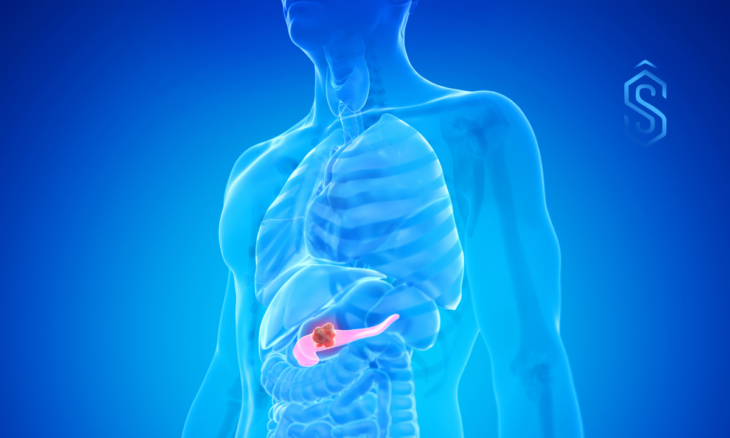
Pancreatic cancer is widely regarded as one of the most aggressive and difficult-to-treat malignancies, often detected at an advanced stage when therapeutic options are limited.
In such cases, average survival typically ranges between three to six months. However, the Pune study found that patients undergoing Ayurvedic Rasayana therapy recorded a median survival of 10 to 11 months, indicating a notable improvement.
Beyond survival, the study highlighted meaningful improvements in patients’ quality of life through Ayurvedic Rasayana therapy. Patients reported better appetite, reduced fatigue, and improved daily functioning.
Additionally, nearly 12 per cent of cases showed a reduction in tumour size—an outcome considered significant given the advanced stage of the disease.
According to Dr Yogesh Bendale, Ayurvedic Rasayana therapy works by strengthening the body’s inherent resilience and ability to combat disease. “In advanced pancreatic cancer, where treatment options are often exhausted, Rasayana therapy offers patients a chance to live longer with dignity and improved well-being,” he stated.
The findings also reinforce the growing importance of integrative oncology, a treatment approach that combines modern Western medicine with complementary therapies such as Ayurveda.
Ayurvedic Rasayana Therapy: Supportive Role in Integrated Model, Especially for Patients with Limited Treatment Alternatives
Also Read: Nihon Kohden Launches Advanced Life Scope E7 Monitoring Platform for Indian Hospitals
Researchers involved in the study include Dr Poonam Birari-Gavande, Dr Priyanka Shirole, and Dr Avinash Kadam, who contributed to evaluating the clinical outcomes of Ayurvedic Rasayana therapy in advanced cancer care.
With global platforms like the American Association for Cancer Research recognising such research, the Pune study is expected to contribute to a broader reassessment of traditional medicine systems in oncology.
The findings indicate that Ayurvedic Rasayana therapy may emerge as a valuable supportive care option, particularly for patients facing limited conventional treatment pathways.