
Pune: The E-Mobility Center of Excellence established at MIT World Peace University (MIT-WPU) has emerged as a significant initiative for the electric vehicle ecosystem, achieving notable progress in startup incubation, research, development, and skill enhancement for students and faculty members.
Focused on advancing cutting-edge technologies in electric mobility, the E-Mobility Center of Excellence is strengthening research, innovation, and industry-oriented training in the electric vehicle sector and related technologies.
The center is also creating opportunities for aspiring entrepreneurs through startup incubation and mentorship support.
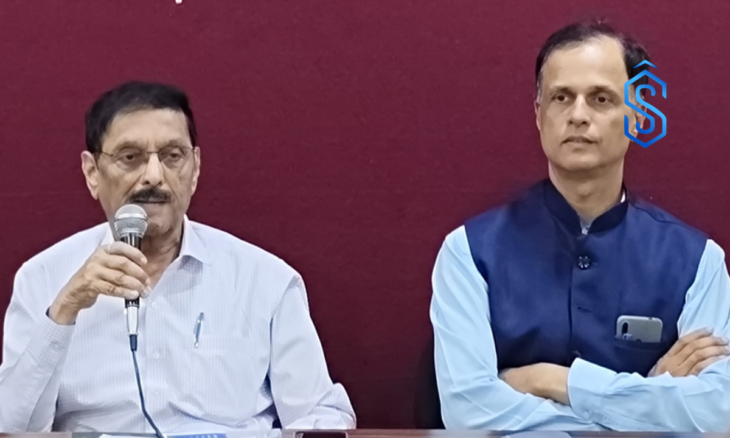
Sharing details during a press conference, Prof. Prakash Joshi, Founder of MAEER’s MIT and Director of the E-Mobility Center of Excellence, said that the initiative is playing an important role in supporting innovation and entrepreneurship in the electric mobility sector.
Prasad Gore, CEO of MIT TBI; Prof. Dr. Parul Jadhav, Head of the E&TC Department; and Associate Professor Dr. Saket Yevlekar were also present on the occasion.
Also Read: MIT WPU AI Oil Recovery Research Boosts Efficiency and Forecasting in Mature Oil Fields
According to Prof. Joshi, the E-Mobility Center of Excellence currently supports three successful startups through the TBI Center, while work is underway on 45 different startup projects.
He stated that the center aims to provide comprehensive support to entrepreneurs who aspire to establish successful ventures in emerging technology sectors.
The E-Mobility Center of Excellence is being operated through the Department of Electrical and Electronics Engineering at MIT World Peace University.
The primary objective of the initiative is to bridge the gap between academic learning and the rapidly evolving electric vehicle industry by fostering collaboration between academia and industry.
Prof. Joshi further emphasized the importance of increasing awareness about EV technologies and promoting stronger partnerships between educational institutions and industry stakeholders.
He noted that such collaboration is essential for accelerating innovation and preparing a skilled workforce for the future of mobility.
Speaking about the center’s activities, Dr. Parul Jadhav said that the E-Mobility Center of Excellence is actively engaged in project development, collaborative research, career counseling, student and faculty training, industrial consultancy, startup support, and research and development initiatives related to electric vehicles.
She highlighted that electric vehicles are rapidly gaining prominence alongside conventional internal combustion (IC) engine vehicles.
Looking ahead, she noted that transportation will offer multiple alternatives, including hybrid vehicles, electric vehicles, and hydrogen-powered vehicles.
Given the anticipated growth of the sector, the E-Mobility Center of Excellence at MIT World Peace University remains committed to supporting the industry’s evolving requirements.
Prasad Gore stated that MIT TBI has extended support to nearly 75 startups across various sectors. He added that assistance is also being provided to startups operating in education, agriculture, space, and information technology.
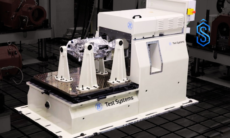
Through the center, aspiring entrepreneurs are encouraged, mentored, and guided to develop innovative business ventures. The facility also provides laboratory testing infrastructure and expert consultancy services.
Highlighting the infrastructure and training ecosystem, Dr. Saket Yevlekar said that the E-Mobility Center of Excellence offers world-class facilities and practical learning opportunities to meet the growing demands of industry.
Through specialized training programs, workshops, internships, seminars, and expert lectures, students and industry professionals are equipped with updated knowledge and skills in electric mobility technologies.
He further stated that the center encourages students and researchers to discover, design, and develop innovative systems and solutions.
According to him, electric mobility is not only the future of transportation but also a present-day necessity, making initiatives such as the E-Mobility Center of Excellence increasingly relevant in shaping the next generation of mobility solutions.