
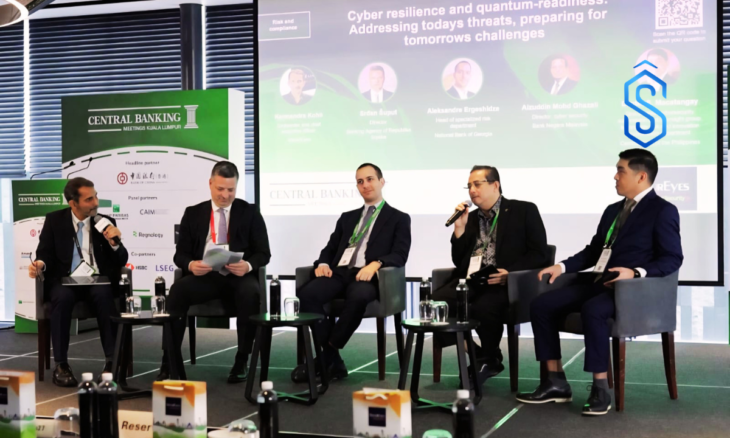
Bengaluru: SecurEyes participated in the Central Banking Meetings in Kuala Lumpur, where Karmendra Kohli, Cofounder and CEO of SecurEyes, moderated a high-level panel discussion titled “Cyber Resilience and Quantum Readiness: Addressing Today’s Threats and Preparing for Tomorrow’s Challenges.”
The sessions brought together senior leaders and regulators from central banks and supervisory authorities across multiple regions, including representatives from the Banking Agency of Republika Srpska, National Bank of Georgia, Bank Negara Malaysia, and Bangko Sentral ng Pilipinas.
The discussion focused on the evolving cyber threat landscape, systemic risks in increasingly interconnected financial ecosystems, and the growing importance of preparing for cybersecurity challenges in the quantum era.
Also Read: QNu Labs Presents Scalable Quantum Cybersecurity for AI Infrastructure Under IndiaAI Mission
Participants highlighted that the financial sector remains one of the most targeted industries globally.
Cyber threats are increasingly driven by social engineering, phishing, ransomware, and vulnerabilities stemming from third-party dependencies and interconnected digital ecosystems.
A key takeaway from the SecurEyes discussion was that cyber risk is no longer limited to individual institutions but has evolved into a systemic concern, amplified by API integrations, fintech partnerships, and outsourced technology environments.
SecurEyes: Cybersecurity No Longer Confined to IT Departments, Emerging as Strategic Priority at Board and Leadership Level
It is now directly linked to financial stability, institutional trust, and customer confidence. Regulators and central banks participating in the SecurEyes dialogue shared insights on strengthening supervisory frameworks, enhancing third-party risk management, improving incident response mechanisms, and promoting greater sector-wide collaboration.
Another critical focus area highlighted during the SecurEyes panel was quantum readiness. The discussion underscored the need for financial institutions to begin planning their transition to post-quantum cryptography, as advancements in quantum computing could eventually pose risks to existing encryption standards.
Also Read: IdentityShield Summit 2026: Indian Army Urges Startups to Build Indigenous Cybersecurity Solutions
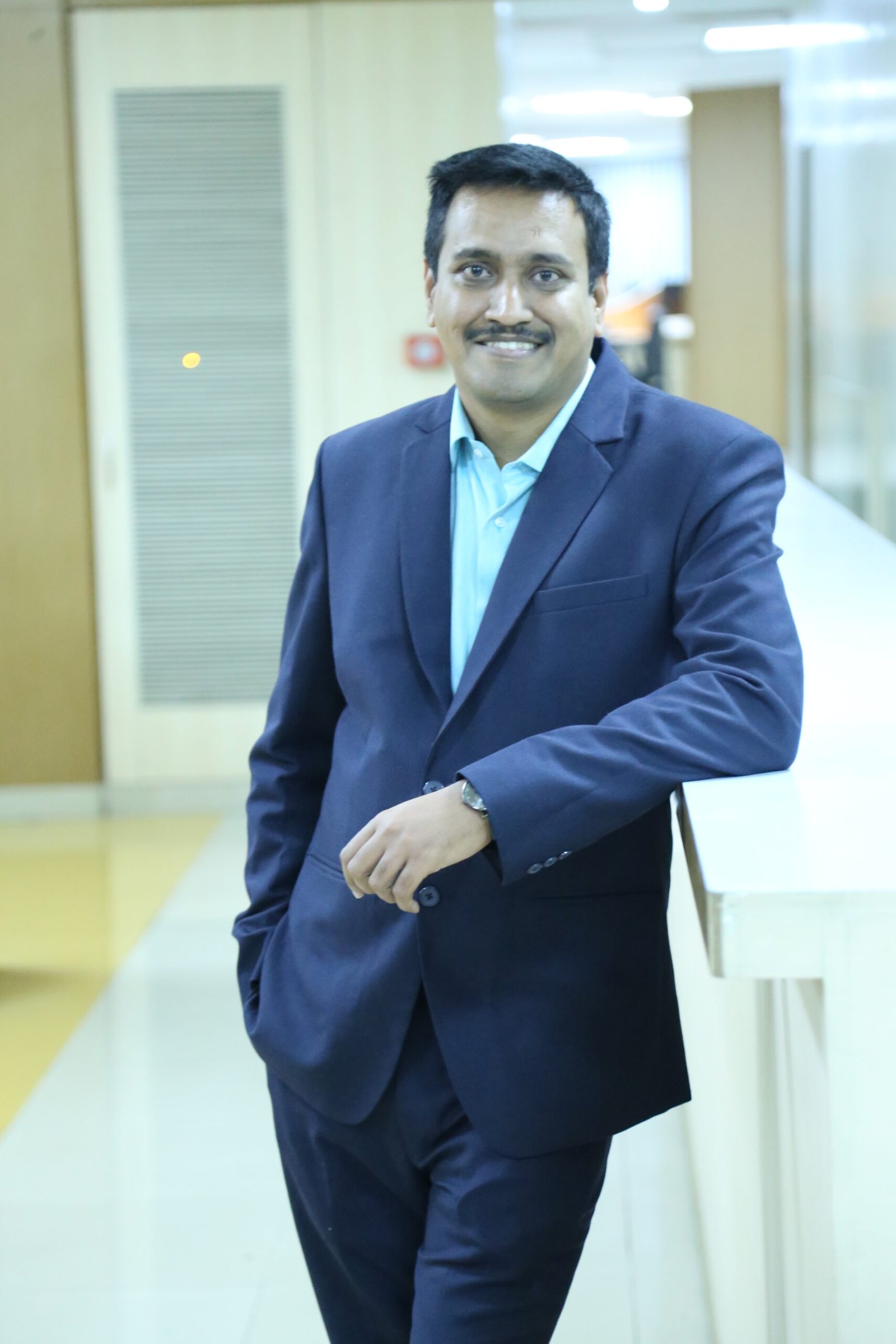
Karmendra Kohli, co-founder and CEO, SecurEyes, said, “Cyber resilience is ultimately about continuity of trust. Financial institutions must assume disruption and design for resilience, thus ensuring they can continue to operate and maintain confidence even in the face of cyber incidents.”
The SecurEyes panel concluded that strengthening cyber resilience requires a holistic approach encompassing technology, governance, regulation, industry collaboration, and sustained investment.
It also emphasized that institutions must act proactively today to address both current threats and emerging risks in the evolving cybersecurity landscape.