
New Delhi: In a significant move to democratize access to traditional medical knowledge, Anuvadini AI has partnered with the Central Council for Research in Ayurvedic Sciences (CCRAS), under the Ministry of Ayush, to make evidence-based Ayurveda research accessible across linguistic barriers.
The collaboration will leverage Anuvadini AI to translate scientific and educational content into 13 regional languages, ensuring wider reach and inclusivity across India.
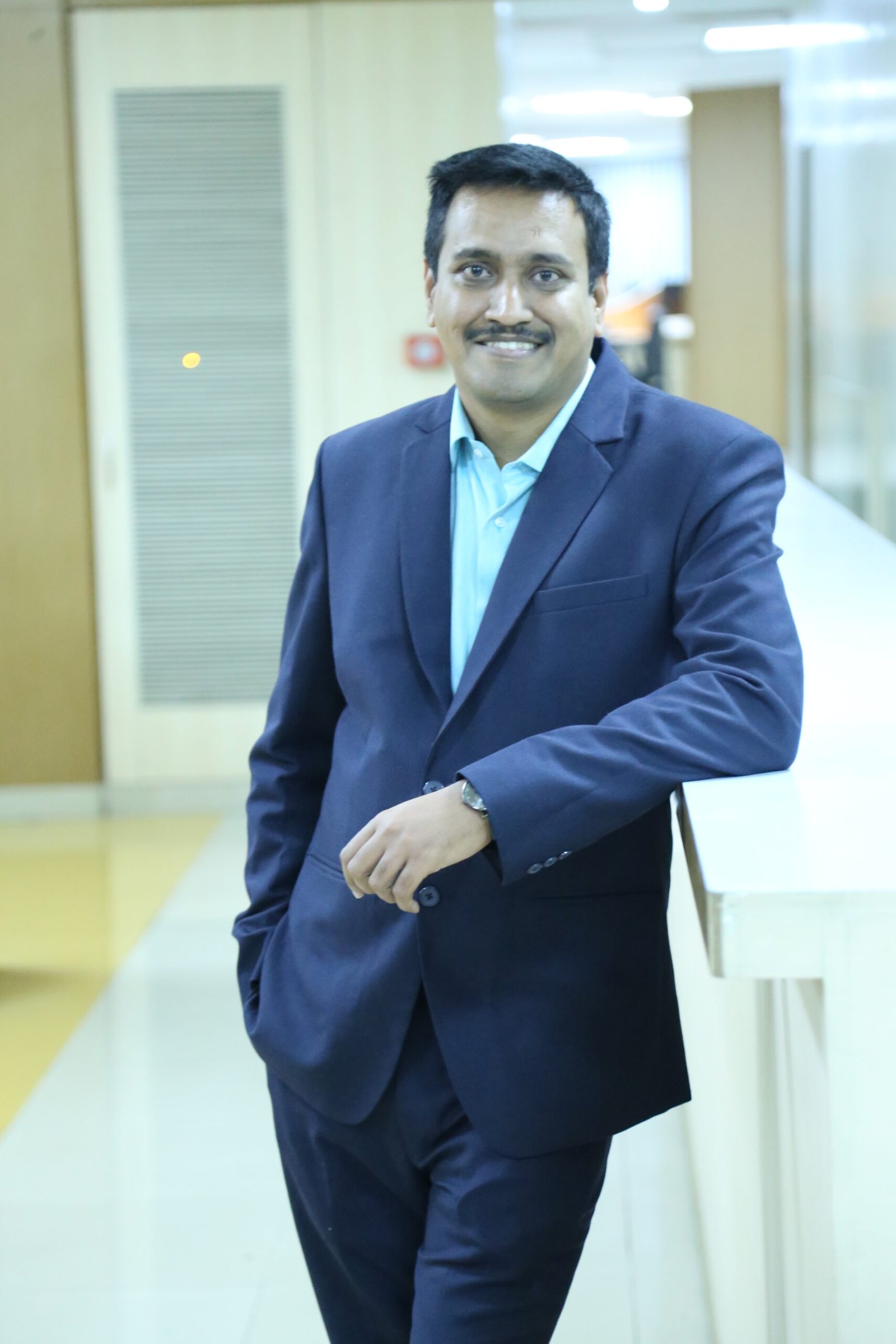
The Memorandum of Understanding (MoU) was signed between Prof. Vaidya Rabinarayan Acharya, Director General of CCRAS, and Dr. Buddha Chandrasekhar, CEO of Anuvadini AI, marking a strategic convergence of advanced language technology and traditional Indian medical sciences.
Through this partnership, Anuvadini AI aims to bridge the accessibility gap by translating CCRAS research outputs and educational materials into multiple regional languages, including Hindi.
Also Read: Sarvam Startup Program Launched to Support AI Builders with Credits, APIs, and Infrastructure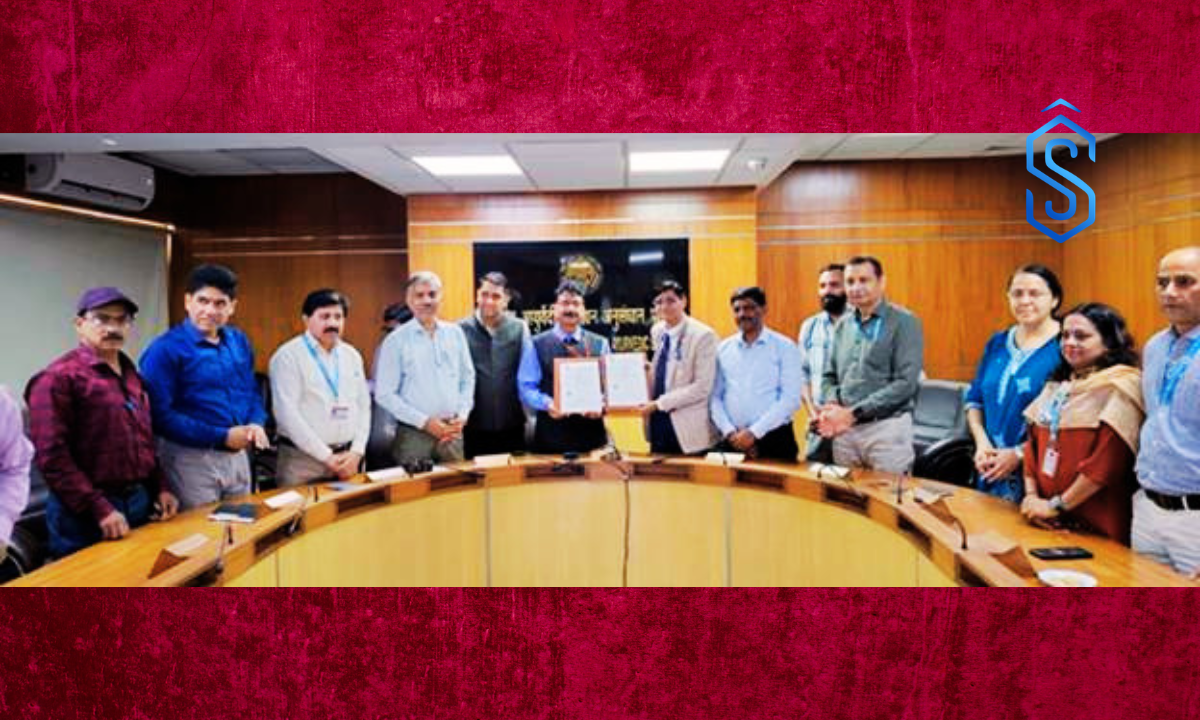
Anuvadini AI, developed by the All India Council for Technical Education (AICTE) under the Ministry of Education, Government of India, specializes in translating technical, scientific, and governance-related content using artificial intelligence.
By integrating Anuvadini AI into this initiative, the collaboration seeks to ensure that credible and research-backed Ayurveda knowledge becomes accessible to citizens regardless of linguistic or regional differences.
CCRAS operates a robust network of 30 institutes across 25 states and plays a key role in conducting and publishing scientific research in Ayurveda sciences.
Its flagship publication, the CCRAS Bulletin—a quarterly research journal—along with various Information, Education, and Communication (IEC) materials, is primarily published in English.
Integration of Anuvadini AI: Resources To Be Translated into 13 Regional Languages
Highlighting the importance of this collaboration, Prof. Rabinarayan Acharya stated that the initiative underscores CCRAS’s commitment to ensuring that the outcomes of Ayurveda research benefit not just the academic community but also the general public in their native languages. The use of Anuvadini AI is expected to play a crucial role in making this vision a reality.
Dr. Buddha Chandrasekhar emphasized that Anuvadini was specifically developed to support initiatives where technology can enhance accessibility, promote equity, and empower citizens through knowledge dissemination. He noted that such collaborations highlight the transformative role of artificial intelligence in bridging knowledge gaps.
Looking ahead, the scope of Anuvadini AI in this initiative may extend beyond Indian languages to include foreign languages. This expansion will begin with countries where the Ministry of Ayush and CCRAS have established Ayush Chairs, thereby taking authentic Ayurveda knowledge to a global audience through Anuvadini AI.