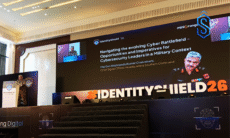


Pune: Cyber safety awareness has become increasingly critical as digital systems permeate every aspect of daily life including travel, payments, communication, healthcare, work, and entertainment, Assistant Inspector (Cyber Police Station) Pravin Swami of the Pimpri-Chinchwad Police said while addressing citizens at the IdentityShield Summit 2026.
Highlighting that the growing dependence on technology, while enhancing convenience, API Swami stated that it has also significantly expanded exposure to cyber risks and online fraud, making individuals and institutions more vulnerable than ever before.
Cyber Safety Awareness in an App-Driven, Always-Connected World
Earlier, daily activities such as commuting relied on limited digital involvement. Today, passengers, drivers, service providers, and platforms are interconnected through mobile applications.
While this ecosystem delivers efficiency, it also means that any digital disruption can create immediate and widespread consequences.
Also Read: Cyber Threats to Democracy Will Define National Security in Next 20 Years: Brijesh Singh
The same digital dependency extends to healthcare, banking, shopping, and essential services. Online consultations, digital payments, e-commerce orders, and real-time tracking generate massive amounts of personal data.
Each digital interaction leaves behind data trails that can be exploited if not adequately protected.
Cyber Safety Awareness: Hidden Cyber Risks Behind Everyday Digital Convenience
Though technology appears seamless on the surface, hidden vulnerabilities exist within digital systems. Social media usage has further intensified data exposure, with individuals openly sharing photos, locations, personal milestones, and daily routines – often without realizing how much of their private lives become publicly accessible.
An individual’s digital footprint – including photos, messages, transaction history, and browsing patterns – can form a comprehensive personal profile. If exposed, such data can be misused for identity theft, financial fraud, blackmail, or social engineering attacks.
Cyber Fraud Tactics Exploiting Trust, Fear, and Urgency
Cases of cyber fraud continue to rise, with victims receiving calls or messages promising high returns such as ₹20 lakhs, ₹5 lakhs, lottery winnings, or guaranteed investment profits.
Fraudsters often use fake websites, counterfeit transaction receipts, and fabricated order confirmations to create a false sense of legitimacy.
Cybercriminals manipulate emotions like urgency, fear, greed, and trust through messages such as:
- “Your account will be blocked.”
- “Your parcel is on hold.”
- “You have won a lottery.”
- “This investment is guaranteed.”
Once money is transferred, the scammer disappears without a trace.
Also Read: IdentityShield Summit 2026: Indian Army Urges Startups to Build Indigenous Cybersecurity Solutions
Timely Reporting Strengthens Cyber Safety Awareness and Response
Many victims hesitate to report cybercrime due to embarrassment or fear. However, delays reduce the chances of transaction recovery and account blocking.
Prompt reporting significantly improves the likelihood of tracing fraudulent activity and limiting financial loss.
Digital payment systems such as UPI, cards, and online wallets remain powerful tools when used responsibly. Users must never share OTPs, PINs, or sensitive personal details, as no legitimate company or government authority requests such information.
Cyber Safety Awareness Needed Across All Age Groups
Children and young adults are particularly vulnerable due to extensive online engagement through gaming, social media, and streaming platforms.
Without proper guidance, they face risks ranging from scams to exposure to harmful content and online exploitation.
Importantly, cybercrime does not discriminate based on education or profession. Even experienced professionals can fall victim during moments of distraction or urgency.
Cyber Safety Awareness Equals Personal Security in the Digital Age
Digital safety has become as essential as physical security. Just as homes are locked for protection, smartphones, online accounts, and digital identities must also be secured. Verification before trust is critical – whether it involves websites, callers, links, or messages.
Cyber safety awareness is no longer optional. It is a fundamental requirement for individuals, families, and society to safeguard digital lives in an increasingly connected world.