The Anthropic IPO has opened a potential investment opportunity for retail investors looking to gain exposure to one of the world’s most closely watched artificial intelligence companies.
However, Indian investors hoping to secure shares at the IPO price may face a hurdle: India is not among the countries where Anthropic has announced retail participation in its public offering.
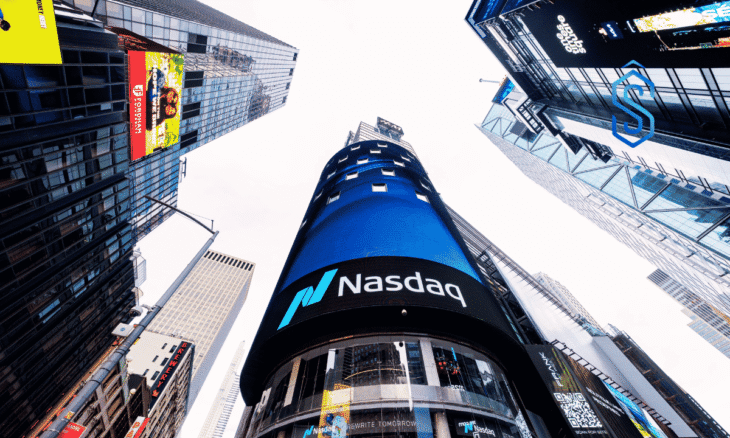
With Anthropic preparing to list on the Nasdaq, Indian residents are more likely to access its shares through international stock investing platforms after trading begins.
Platforms such as Vested and INDmoney allow Indian customers to invest in US-listed stocks, although neither has confirmed that Anthropic shares will be available from the first day of trading.
Here is how the Anthropic IPO is structured, where retail investors can participate, and what Indian investors need to know about buying its shares.
Anthropic IPO: What Investors Need to Know
Anthropic, PBC has proposed to offer 825 million Class A shares at an expected price range of $70 to $78 per share. The company has applied to list on the Nasdaq Global Select Market under the ticker symbol ANT.
The company has filed its registration statement with the US Securities and Exchange Commission (SEC), but the filing is not yet effective.
According to Anthropic’s IPO website, the final offer price is expected to be determined on November 18, 2026, while trading is expected to begin on November 19, 2026, subject to regulatory clearance.
The distinction between the IPO offer and post-listing purchases is particularly important for Indian investors.
While eligible investors in certain countries can request shares through participating brokerage platforms at the offer price, investors purchasing shares after the Nasdaq listing will have to pay the prevailing market price.
Which Countries Can Participate in the Anthropic IPO?
Anthropic has outlined the countries and brokerage platforms through which retail investors can request shares in its public offering.
For US-based investors, the company’s IPO website identifies five participating brokerage platforms:
- Charles Schwab
- E*Trade
- Fidelity
- Robinhood
- SoFi
Investors can request shares through these participating platforms, which will determine their eligibility.
For international retail investors, Anthropic has announced offerings in Australia, Canada, Japan, Switzerland and the United Kingdom.
The offering is also expected to cover nine European Economic Area (EEA) countries:
- Denmark
- Finland
- France
- Germany
- Ireland
- The Netherlands
- Norway
- Spain
- Sweden
Anthropic’s Claude Help Center page identifies the brokerage platforms authorised to facilitate retail participation in these jurisdictions.
It also states that the company has not authorised any other firm or platform in these countries to offer or advertise access to shares through its retail offerings.
India is not included in Anthropic’s announced list of countries eligible for its retail offering.
This does not amount to a legal ruling that Indian residents cannot purchase Anthropic shares. However, it indicates that Indian investors should not assume they can access the IPO allotment through a domestic investing application or an intermediary claiming to offer shares at the IPO price.
Can Indians Participate in the Anthropic IPO?
For Indian residents, the more practical route to investing in Anthropic is likely to be purchasing its shares after they begin trading on Nasdaq.
The Anthropic IPO website distinguishes between shares allocated through the IPO and shares purchased after the listing.
IPO participants purchase shares at the offer price, whereas investors entering after trading begins purchase them at the prevailing market price.
This means Indian investors may not necessarily miss the opportunity to own Anthropic shares, even if they cannot participate in the company’s announced retail IPO offering.
However, the price at which they eventually purchase the stock could be different from the expected IPO range of $70 to $78.
For example, if ANT starts trading above its IPO price, investors buying through international stock platforms will have to pay the higher market price. Similarly, the stock could trade below its offer price.
How Indian Investors Can Buy Anthropic Shares After Listing
Indian residents generally access US-listed stocks through international investing platforms that facilitate overseas investments.
Two platforms that publish information about investing in US stocks for Indian customers are Vested and INDmoney.
1. Vested
Vested allows Indian residents to invest in US stocks and exchange-traded funds (ETFs) under the Reserve Bank of India’s Liberalised Remittance Scheme (LRS).
According to its help centre, investors can open a US brokerage account by completing the Know Your Customer (KYC) process through the application.
Vested’s published pricing and account details include:
- Minimum investment: No minimum investment requirement, although individual banks may impose minimum transfer amounts.
- Account maintenance: No account maintenance fee.
- Basic plan brokerage: 0.25% of the trade value, capped at $35.
- Premium plan brokerage: 0.15% of the trade value.
- Premium plan cost: ₹4,500 annually.
- Account type: Cash account.
Vested does not offer margin trading or derivatives, according to its published information.
The platform’s website also states that investors will be able to invest in Anthropic once its shares are listed and trading begins.
However, investors should check the application for actual stock availability when trading starts rather than assuming that shares will be accessible immediately.
2. INDmoney
INDmoney is another platform through which Indian residents can access US-listed stocks.
Its account-opening process involves registering with a mobile number and completing digital KYC using a Permanent Account Number (PAN). The platform does not charge an account-opening fee.
INDmoney’s published US stock pricing includes:
- Brokerage: 0.25% per trade on one plan.
- Alternative brokerage plan: 0.10% per trade.
- Currency conversion: Banks charge approximately 0.5% to 1.2% for converting Indian rupees into US dollars, according to the platform.
- The brokerage plans also have different minimum and maximum charges per trade.
INDmoney already has an ANT stock page on its platform. However, the page is currently a placeholder ahead of the listing and does not confirm that Anthropic shares will be available on the first day of trading.
Therefore, investors interested in the Anthropic IPO should check the availability of the ANT ticker on INDmoney once Nasdaq trading begins.
Neither Vested nor INDmoney has confirmed availability from the first trade through the cited information. Both platforms offer access to US-listed stocks generally, but actual availability of Anthropic shares will need to be checked.
Investors should also verify the latest brokerage charges, currency conversion costs and account terms before placing an order, as platform fees and plans can change.
RBI Rules: How Much Can Indians Invest in US Stocks?
Indian residents investing in overseas stocks must comply with the Reserve Bank of India’s Liberalised Remittance Scheme (LRS).
Under the RBI’s Master Direction on LRS, an authorised dealer can remit up to $250,000 per resident individual per financial year, which runs from April to March, for permitted current account and capital account transactions or a combination of both.
Investments in overseas stocks fall within the permitted overseas investment framework.
However, the $250,000 limit is not exclusively reserved for stock market investments. It is shared with other eligible foreign remittances, including overseas travel and other permitted transactions.
Consequently, investors who have already made overseas remittances during the financial year need to account for those transactions when calculating their remaining LRS limit.
Apart from the investment amount, Indian investors should factor in:
- Rupee-to-dollar conversion charges.
- Brokerage and platform transaction fees.
- Applicable taxes on overseas remittances.
- Tax obligations on gains from foreign shares.
The tax treatment of overseas investments and remittances is separate from the terms and conditions of the investing platform. Investors may want to check the applicable rules or consult a tax adviser before making a purchase.
Anthropic IPO: Warning Against Unauthorised Pre-IPO Share Offers
While the Anthropic IPO has generated interest among investors, the company has separately warned against unauthorised sales of its privately held shares.
Anthropic has stated that private-share transfers not approved by its board are void. The company has also clarified that it does not permit special purpose vehicles (SPVs) to hold its stock.
It has further warned that funds promising indirect access to its private shares could be relying on methods that violate its share-transfer restrictions.
This warning is particularly relevant to investors approached by intermediaries offering access to Anthropic shares before the public listing.
However, the company’s warning relates to unauthorised transfers of private shares and should not be confused with buying publicly traded shares on Nasdaq after the listing.
Investors should also remember that even in countries where Anthropic has announced retail offerings, receiving an allotment is not guaranteed.
Is the Anthropic IPO Worth Considering for Indian Investors?
The decision to invest in the Anthropic IPO will depend on an investor’s assessment of the company’s growth prospects, valuation and financial risks.
According to the company’s filing, Anthropic reported revenue of $33.24 billion for the nine-month period covered in the filing.
Around 80% of its revenue is consumption-based, meaning customers can increase or reduce their usage of its services.
At the proposed IPO price range, Anthropic’s reported fully diluted valuation is approximately $1.26 trillion to $1.40 trillion. This represents roughly 36 to 40 times its trailing revenue.
The filing also discloses approximately $901 billion in purchase and lease commitments, largely related to computing capacity and spread over several years.
Another factor investors may want to examine is the relationship between Anthropic and some of its largest investors, who are also its suppliers. This creates business and financial interdependencies that investors need to understand.
A company’s growth prospects do not automatically make its shares attractive at every valuation. While a long-term investment horizon may give investors more time to assess revenue growth and margins, it does not eliminate valuation, dilution or concentration risks.
Indian investors also face currency risk because their investments are made in US dollars while their domestic financial obligations are generally in rupees.
Those considering the Anthropic IPO may therefore want to wait for the final offer price, observe how ANT trades after listing and examine the prospectus’s risk factors before making an investment decision.