


Union Budget 2026 expectations are gaining momentum as stakeholders across real estate, energy, education, FMCG, hospitality, infrastructure and labour compliance outline priority reforms ahead of the February 1 presentation by Union Finance Minister Nirmala Sitharaman.
Industry leaders are calling for policy measures that boost affordability, consumption, sustainability, ease of doing business and long-term competitiveness, while addressing rising input costs, regulatory complexity and infrastructure gaps.
Union Budget 2026 Expectations from the Real Estate Sector
Siddharth Vasudevan Moorthy, Managing Director of Vascon Engineers Ltd, said the real estate sector expects Budget 2026 to prioritise genuine affordability rather than short-term interest rate signals. He emphasised that first-time homebuyers need stable EMIs, clear tax benefits and easier access to credit.
Moorthy highlighted the need to enhance deductions on home loan interest and principal repayment, along with higher limits for self-occupied properties, to revive housing demand without inflating prices.
He also sought immediate relief from the 18% GST on corporate guarantees and a reduction in GST on construction contracts from 18% to 12%, or preferably 5%, citing a sharp rise in construction costs since 2017.
Granting industry status to real estate beyond affordable housing was also flagged as a key enabler for better access to institutional finance.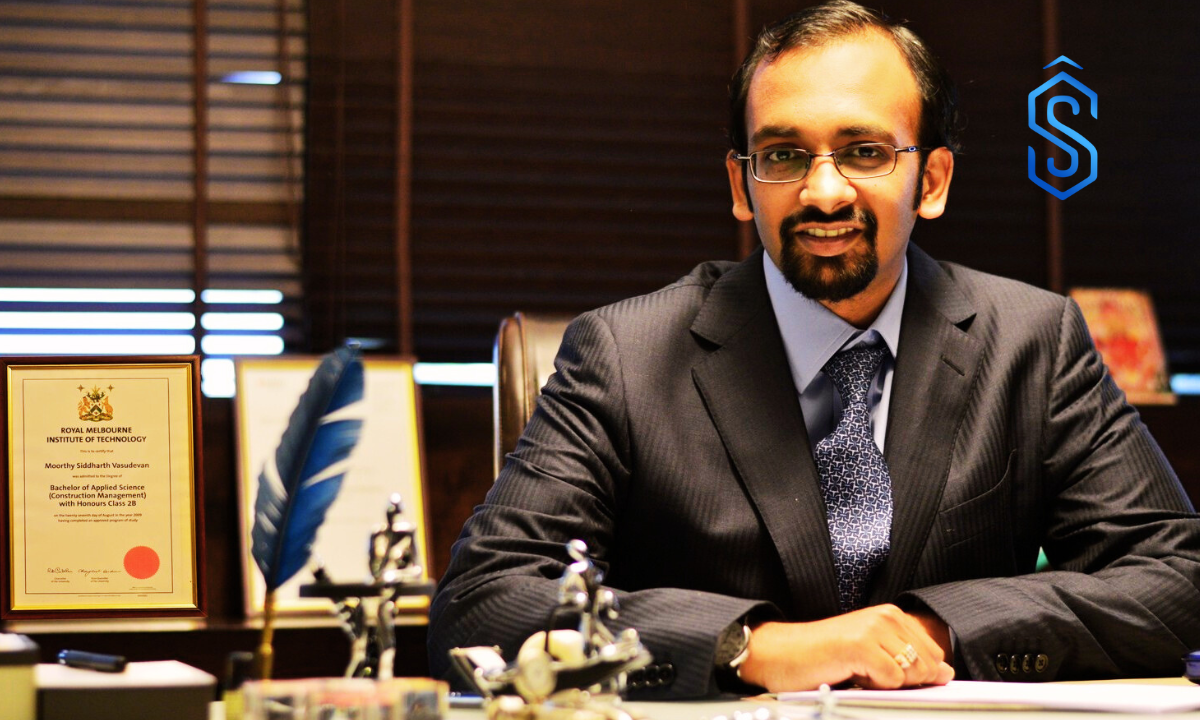
Also Read: Vascon Engineers Super Specialty Hospital Project in Navi Mumbai Secured for INR 260 Crore
Union Budget 2026 Expectations from the Energy and Clean Transition Sector
Baroruchi Mishra, Group CEO, Nauvata Energy Transition (NET) Enterprise, said India must accelerate its transition towards a gas-based economy by increasing methane and hydrogen production from fossil, biogenic and coal gasification sources, while managing emissions through CCUS (Carbon Capture, Utilisation and Storage).
Mishra highlighted BioLNG as a direct replacement for LNG imports, with potential savings of $1–3 billion annually.
Mishra proposed earmarking a $2 billion fund for viability gap funding, subsidies and R&D for BioLNG from compressed biogas (CBG), along with incentives for hub-and-spoke models connecting multiple CBG plants to a single BioLNG facility in remote regions.
Mishra also called for extending the PLI scheme to include cryogenic equipment manufacturing for BioLNG, bringing “CBG to BioLNG” under priority sector lending, and integrating BioLNG into long-distance transportation decarbonisation plans.
On CCS, he urged the government to announce clear funding envelopes, set national CO₂ capture targets, create shared CO₂ transport infrastructure, and streamline long-term liability regulations.
Also Read: India Energy Week 2026 to Convene Global Energy Leaders in Goa from 27-30 January
Union Budget 2026 Expectations from the Education Sector
Commenting on Union Budget 2026 expectations, Usha Iyer, Principal and Director, The Green School Bangalore (TGSB), said the education sector is hopeful of future-ready support through enhanced budgetary allocation for foundational learning, teacher training and infrastructure.
She highlighted the importance of increased funding for early childhood education, incentives for green and sustainable school campuses, and greater support for inclusive education for children with special needs.
Rationalisation of GST on educational services and learning materials, along with policy-backed investments in digital infrastructure, skill-based learning and teacher upskilling aligned with NEP 2020, were also key expectations.
Union Budget 2026 Expectations from Hospitality and Tourism
Prathima Manohar, Director, Paradise Group, GoodPass, and co-curator of the One-TAC Udipi circuit, said tourism remains one of India’s most underleveraged growth and employment engines.
She stressed the need for a single-window clearance system for tourism and hospitality projects to reduce approval delays that currently extend up to 36 months.
Manohar called for restoring GST input tax credits, offering targeted income-tax rebates for rural and Tier 2/3 destinations, and increasing public investment in destination infrastructure and placemaking, positioning tourism as nation-building infrastructure rather than discretionary consumption.
Union Budget 2026 Expectations from FMCG and Consumption-Led Sectors
At the CII National FMCG Summit, Godrej Consumer Products Ltd MD and CEO Sudhir Sitapati said the sector’s key expectation is efficient measures to boost consumption, particularly through further GST rationalisation.
He noted that mass-consumption categories such as home care continue to be taxed at 18% and could logically move to lower slabs to support demand.
Sunil Agarwal, Co-founder and Chairman of Joy Personal Care (RSH Global), echoed the need for a more balanced GST structure for personal care products to support affordability and profitability, while enabling long-term growth through premiumisation, e-commerce and modern trade.
Akshali Shah, Executive Director, Parag Milk Foods, said continued focus on dairy and agriculture infrastructure, modern processing, cold-chain expansion and rural development would help improve efficiency, support farmers and strengthen consumption, especially amid monsoon and inflation risks.
Union Budget 2026 Expectations from Infrastructure, Construction and Urban Development
Aparna Reddy, Executive Director, Aparna Enterprises Ltd, said rising material costs, land acquisition delays, approval bottlenecks and supply chain disruptions are slowing infrastructure and real estate project delivery.
She called for reducing GST on key construction materials, incentivising domestic production, and allocating funds to fast-track land acquisition and clearances.
She also highlighted the importance of budget-backed initiatives such as the Urban Challenge Fund and the SWAMIH fund to revive stalled projects, attract private investment and improve housing accessibility across Tier 2 and Tier 3 cities.
Union Budget 2026 Expectations on Labour, Compliance and Employment
Pratik Vaidya, Managing Director and Chief Vision Officer, Karma Management Global Consulting Solutions Pvt Ltd, said the Budget should focus on creating a national digital compliance spine with state-wise regulations, best-practice templates and single-window workflows.
He advocated risk-based compliance for MSMEs, self-certification for low-risk establishments, predictable inspections, and modernisation of EPFO and ESIC processes.
Faster grievance redressal, API-based integrations between payroll systems and government portals, and greater certainty in tax administration were highlighted as essential to improving employer confidence and workforce outcomes (Union Budget 2026 expectations).