
Pune: In a significant achievement in neonatal cardiac care, AICTS successfully performed a complex newborn heart surgery and treated the newborn with a complex congenital heart defect through extracorporeal membrane oxygenation (ECMO) support and coordinated multidisciplinary care.
The challenging procedure involved cardiothoracic surgeons, paediatric cardiologists, anaesthesiologists, perfusionists and intensive care nurses, who worked together to stabilise the infant and restore normal blood circulation.
The newborn, who was diagnosed with a severe congenital heart condition, required urgent and highly specialised medical intervention.
Considering the complexity of the heart’s anatomy and the fragile condition of the infant, the case presented significant challenges for the medical team and required meticulous planning, surgical expertise and coordinated clinical decision-making.
The case also highlights the medical support extended by Army doctors to the family of a serving soldier deployed on the front lines.
Newborn Initially Stabilised at Command Hospital, Pune
The baby was born in an unstable condition at Command Hospital, Pune, and required immediate specialised cardiac intervention.
An expert team of paediatric cardiologists performed a cardiac catheterisation procedure involving Balloon Atrial Septostomy (BAS) and Patent Ductus Arteriosus (PDA) stenting.
The procedure was undertaken to temporarily stabilise the newborn and optimise the infant’s clinical condition before proceeding with corrective cardiac surgery.
Following the initial intervention, the cardiothoracic surgical team performed an arterial switch operation, along with the extraction of the previously placed stent and closure of the Atrial Septal Defect (ASD).
The complex newborn heart surgery addressed the underlying structural abnormalities and restored the heart’s circulation. However, the infant continued to require intensive medical support following the operation.
ECMO Support Proves Critical After Complex Cardiac Surgery
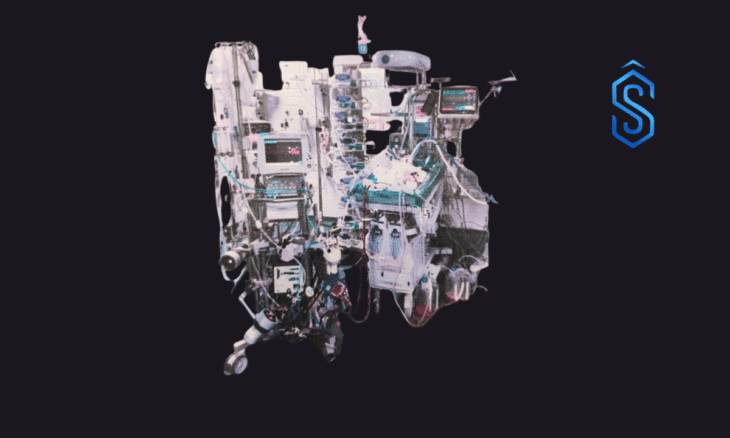
Following the surgery, the newborn required extracorporeal membrane oxygenation (ECMO), an advanced life-support technique that temporarily assists the heart and lungs when they are unable to function adequately on their own.
Providing ECMO support to a newborn following complex cardiac surgery is particularly demanding. It requires continuous monitoring and close coordination among cardiothoracic surgeons, anaesthesiologists, paediatric cardiologists, perfusionists, ICU nurses and other medical specialists.
The multidisciplinary team carefully managed the infant’s cardiovascular and respiratory condition throughout the critical postoperative period.
ECMO support allowed the baby’s heart and other organs time to recover following the demanding surgical procedure.
The successful removal of the newborn from ECMO support after 40 hours marked a crucial milestone in the infant’s recovery.
The ability to gradually withdraw ECMO support indicated progress in the baby’s postoperative recovery and represented an important achievement for the medical team involved in the case.
Multidisciplinary Teamwork Behind the Successful Outcome
The successful treatment highlights the importance of coordinated expertise in managing complex congenital heart conditions in newborns.
From the initial assessment and stabilisation at Command Hospital, Pune, to cardiac catheterisation, corrective surgery, ECMO management and postoperative recovery, every stage required specialised medical intervention and close collaboration among different departments.
The cardiothoracic surgical team, paediatric cardiologists, anaesthesiologists, perfusionists and ICU nurses played important roles in managing the infant’s condition.
The case demonstrates how advanced cardiac surgery, neonatal critical care and ECMO capabilities can work together to manage extremely challenging congenital heart conditions, particularly when newborns require multiple stages of intervention.
Advanced Neonatal Cardiac Care Offers Hope to Families
Complex congenital heart conditions can require highly specialised treatment, particularly when diagnosed in newborns with unstable clinical conditions.
Such cases underscore the importance of specialised congenital heart programmes supported by advanced cardiac surgery, neonatal intensive care facilities and ECMO capabilities.
The successful newborn heart surgery also demonstrates how modern medical interventions can provide critically ill infants with an opportunity to recover, even in extraordinarily challenging circumstances.
Some congenital heart conditions can be treated through corrective surgical procedures, potentially offering a long-term solution and renewed hope to affected families.
The successful outcome has brought immense relief to the newborn’s family and marks a proud achievement for the entire medical team.
The case is also a testament to the technical expertise, clinical commitment and multidisciplinary teamwork required to deliver advanced neonatal cardiac care.