
Pune infrastructure boom is driving a new phase of growth in the city’s real estate market, supported by major infrastructure developments, expanding commercial corridors and rising residential demand.
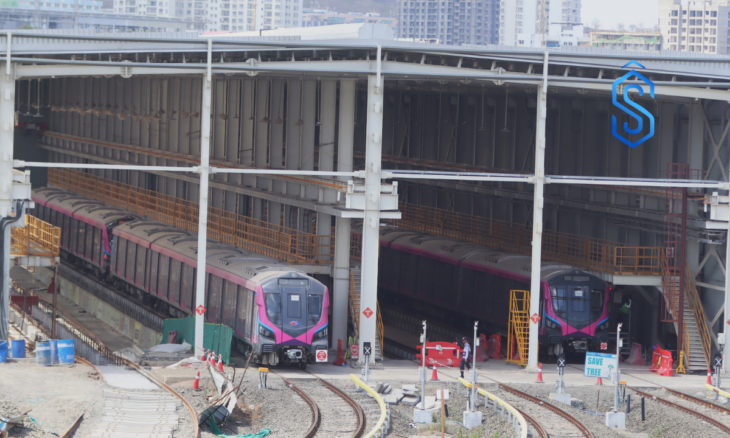
The Pune Metro’s Hinjewadi–Shivajinagar line has begun opening to passengers, the Pune Ring Road is progressing toward phased completion between 2026 and 2028, a new bypass has reduced travel time on the Mumbai–Pune Expressway, and a separate greenfield expressway to Bengaluru is moving from planning into construction.
As connectivity improves and employment hubs continue to expand, several micro-markets are emerging as preferred destinations for both homebuyers and developers.
Hinjewadi Continues to Benefit from Pune’s IT-Led Growth
Hinjewadi remains one of Pune’s strongest real estate destinations, driven by the Rajiv Gandhi Infotech Park and thousands of professionals employed across the IT and technology sectors.
As part of the ongoing Pune Infrastructure Boom, the Pune Metro’s Line 3 connecting Hinjewadi to Shivajinagar has already begun opening to passengers.
The first phase, covering 12 stations, started operations in May 2026, while the remaining sections of the 23-km, 23-station corridor continue to progress toward full completion.
Road infrastructure has also witnessed significant upgrades. The widening of Ganeshkhind Road and the double-decker flyover connecting Baner and Shivajinagar, which became fully operational in March 2026, are expected to substantially reduce commute times to central Pune.
As Metro Line 3 moves closer to full commercial operations, industry stakeholders believe the improved connectivity between Hinjewadi and the city centre will further strengthen Western Pune’s position as one of the city’s most dynamic residential and commercial corridors.
The Pune Infrastructure Boom is expected to support growth not only in established residential markets such as Baner, Balewadi, Wakad and Tathawade, but also in emerging locations including Maan and Punawale.
According to industry experts, the enhanced transportation network could promote more balanced urban development while widening the residential catchment across Western Pune.
GCC Expansion Strengthens Housing Demand
Commercial expansion continues to remain one of the biggest contributors to residential demand under the ongoing Pune Infrastructure Boom.
According to ANAROCK Research, Global Capability Centres (GCCs) leased 32.46 million sq ft across India’s top seven cities during 2025.
Pune accounted for nearly 15% of the total leasing activity, approximately 4.8 million sq ft, making it the second-largest GCC leasing market after Bengaluru, which accounted for 38%.
The city’s growing presence within the GCC ecosystem continues to support demand for both office space and residential developments across Western Pune.
For over a decade, the Hinjewadi IT hub has shaped residential expansion in the region.
As established micro-markets including Baner, Balewadi, Wakad and Tathawade have matured, developers have increasingly expanded into neighbouring locations offering larger land parcels while maintaining strong connectivity to major employment centres.
Also Read: Pune Metro Line 3 Gets CMRS Approval for Maan – Balewadi Section
Pune Infrastructure Boom: Developers Align Projects with Infrastructure Growth
Developers such as VTP Realty have aligned their expansion strategy with the Pune Infrastructure Boom by developing integrated residential communities across high-growth corridors, including the Hinjewadi region.
The company’s strategy focuses on leveraging the area’s expanding employment base, improving connectivity and evolving social infrastructure.
Industry observers believe that continued improvements in Metro connectivity and road infrastructure are likely to benefit organised developers with a strong presence across these emerging micro-markets, supporting sustained residential demand in the coming years.
Sachin Bhandari, CEO and Executive Director, VTP Realty, said: “The development of Metro Line 3 is going to be a transformative milestone for Pune’s real estate landscape, particularly across the western corridor.
Enhanced connectivity between Hinjewadi and the city centre will significantly reduce travel time, improve accessibility, and elevate the overall livability quotient. Most importantly, it will add immense convenience for professionals, daily commuters, and the growing workforce travelling to and from the city.
With areas like Baner and Balewadi already witnessing increasing congestion and urban clutter, Metro Line 3 is expected to provide much-needed relief to the road infrastructure, a long-awaited development for Pune residents.
This connectivity boost will tremendously benefit commuters travelling towards the city centre. It will also enable residents from western Pune to experience and engage more seamlessly with the cultural and commercial heart of the city, including Shivajinagar, Deccan, Civil court and surrounding areas.”
Western Pune Attracts Broader Real Estate Investment
The evolving profile of Western Pune is also reflected in the diversity of projects being planned across the region as part of the Pune Infrastructure Boom.
Alongside residential developments, the corridor continues to attract investment in retail, office and mixed-use projects, supported by demand from technology companies, engineering firms and service-sector businesses.
Several developers have launched projects in locations such as Punawale and Maan in recent years, reflecting growing confidence in markets beyond Western Pune’s established residential hubs.
Industry stakeholders note that improving infrastructure, expanding social amenities and enhanced connectivity are encouraging developers to explore opportunities across a wider geography.